


 +
+ +
+ +
+

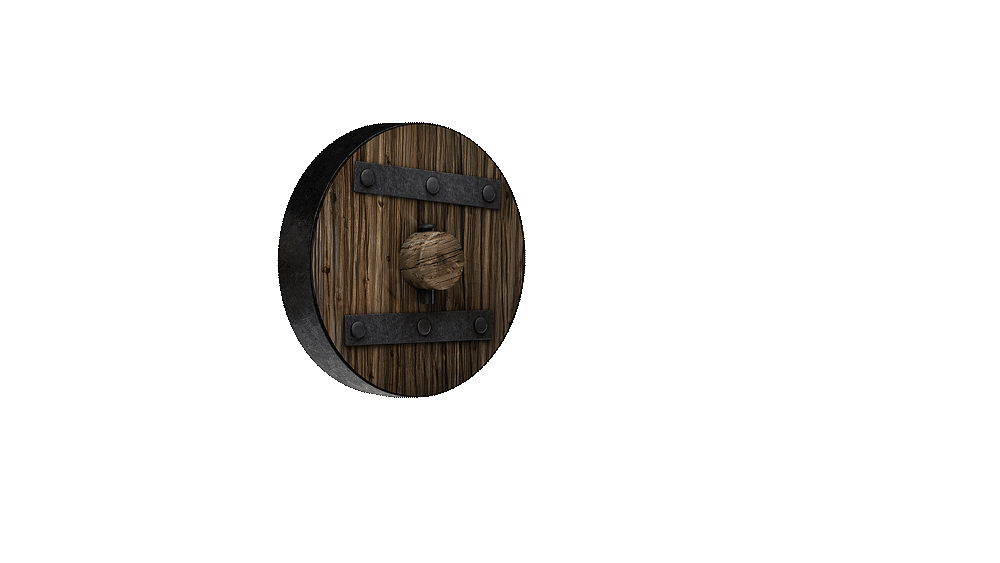
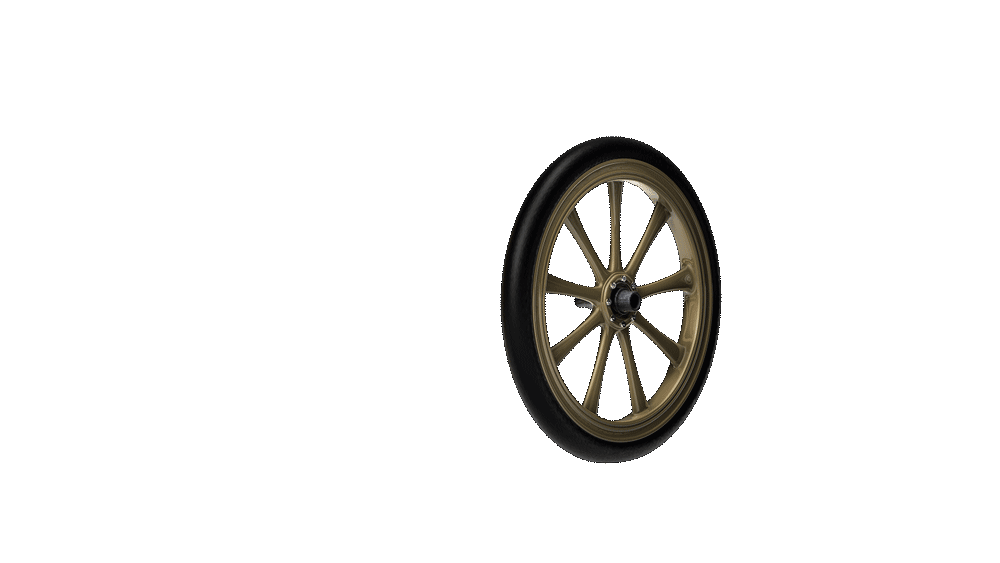
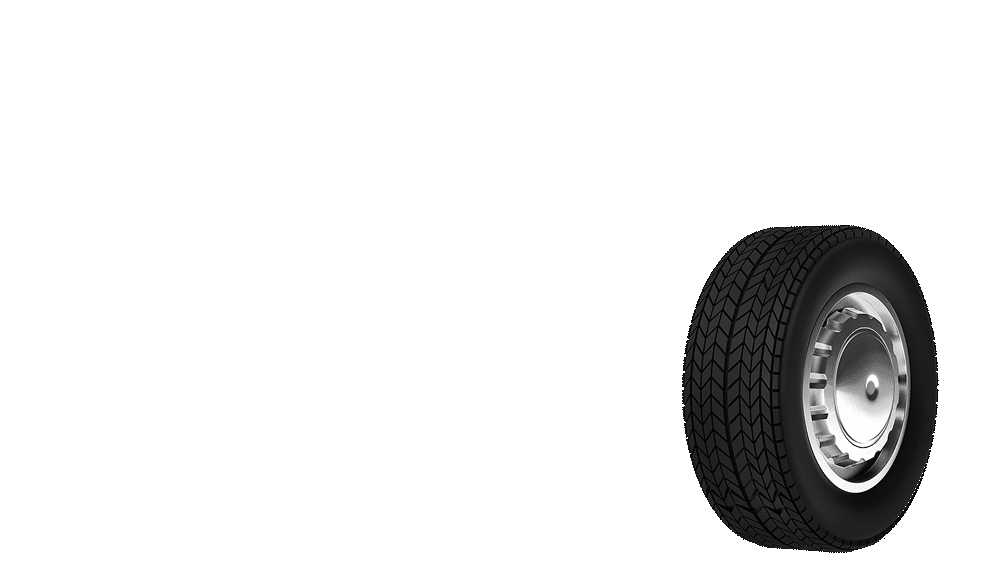
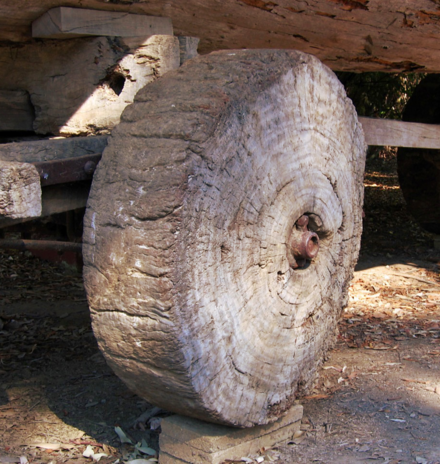
In its primitive form, a wheel is a circular block of a hard and durable material at whose center has been bored a circular hole through which is placed an axle bearing about which the wheel rotates when a moment is applied by gravity or torque to the wheel about its axis.
Ship's wheel
Mounted on a column connected to a rudder or a chassis mounted on other wheels, one can control the direction of a vessel or vehicle (e.g. a ship's wheel or steering wheel); when connected to a crank, the wheel produces or transmits energy (e.g. the flywheel).
Proto-Germanic
The English word wheel comes from the Old English word hweol, hweogol, from Proto-Germanic *hwehwlan, *hwegwlan, from Proto-Indo-European *kwekwlo-,[1] an extended form of the root *kwel- "to revolve, move around". Cognates within Indo-European include Icelandic hjól "wheel, tyre", Greek κύκλος kúklos, and Sanskrit chakra, the latter two both meaning "circle" or "wheel".[2]




 If you're hungry you can always grab a bite in our interactive caféteria, it even features it's own Virtual reality setup if you eat faster than your friends and don't like waiting.